


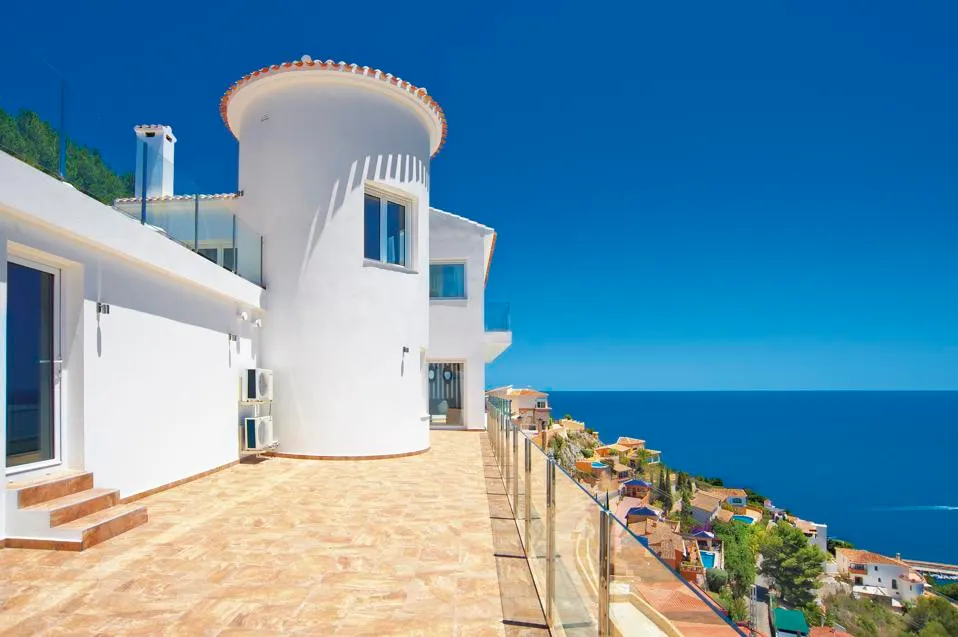
Step into Javea, and you’ll find architecture that whispers of centuries past while embracing the comfort and elegance of modern living. The villas in this sun-soaked corner of the Costa Blanca are not just homes—they’re a living blend of history, climate-conscious design, and timeless Mediterranean style.
From Moorish arches to minimalist marvels, the architectural evolution of Javea is both fascinating and practical. But how does this rich heritage influence the design—and value—of today’s homes? Whether you’re a romantic with a soft spot for rustic beams or a minimalist craving clean lines, understanding Javea’s architectural journey can help you choose the right home with both heart and head.
Let’s explore how history, climate, and craftsmanship come together in the finest Spanish villas and apartments.
Contents
- The Moorish Influence: Design Roots That Still Endure
- Mediterranean Architecture: A Climate-Smart Tradition
- Contemporary Comfort: What Modern Javea Villas Offer
- Comparing Traditional and Modern Spanish Villas
- FAQs: Javea Villa Design and What to Look For
1. The Moorish Influence: Design Roots That Still Endure
The Moors ruled large parts of Spain for nearly 800 years, leaving behind a profound architectural legacy—especially in coastal towns like Javea. Their building methods weren’t just beautiful; they were practical and built to last.
Key Moorish features still seen in Javea’s villas:
- Arched doorways and windows – Not just for show, these curves improve airflow and light, perfect for hot climates.
- Whitewashed walls – A practical solution for reflecting heat, keeping interiors cool naturally.
- Internal courtyards – Private, shaded outdoor areas that act as a retreat from the midday sun.
- Decorative ceramic tiles – Used for both ornament and function, often seen in patios, staircases, and water features.
- Flat or gently sloping roofs – Originally designed to collect rainwater and reduce heat build-up.
These elements remain popular not out of nostalgia, but because they make architectural and environmental sense.
2. Mediterranean Architecture: A Climate-Smart Tradition
Building in Javea has always been about working with nature, not against it. Long before sustainability became a buzzword, Mediterranean builders had it down to an art.
Classic Mediterranean features that define Javea villas:
✔ Terracotta roof tiles – Iconic and functional, they allow hot air to escape and are durable in harsh sun.
✔ Natural stone walls – Sourced locally and prized for their insulation properties.
✔ Wooden ceiling beams – Rustic charm meets structural support.
✔ Shaded terraces and verandas – Ideal for dining, relaxing, or hiding from the midday heat.
✔ Wrought iron accents – Balconies, gates, and grilles combine elegance with practicality.
This approach to building wasn’t just about style—it was about living well in the Mediterranean climate.
3. Contemporary Comfort: What Modern Javea Villas Offer
As tastes evolve, so do homes. Today’s Javea villas often fuse historical charm with modern functionality. The results? Properties that feel rooted in the land but ready for the future.
Modern design features now popular in Javea:
- Open-plan living spaces – Perfect for entertaining, maximising light and space.
- Floor-to-ceiling glazing – Bringing the outside in and making the most of sea or mountain views.
- Infinity pools – A symbol of luxury and leisure.
- Smart home technology – From lighting to climate control, everything is fingertip-controlled.
- Eco-conscious materials – Solar panels, natural insulation, and water-saving systems are increasingly standard.
These features cater to the growing demand for energy-efficient, low-maintenance luxury living.
4. Comparing Traditional and Modern Spanish Villas
| Feature | Traditional Javea Villa | Modern Javea Villa |
| Construction Materials | Natural stone, terracotta, wood | Glass, steel, engineered stone |
| Insulation & Cooling | Thick stone walls, shaded courtyards | High-performance insulation, climate control |
| Layout | Segmented rooms, internal courtyards | Open-plan layouts, minimal partitioning |
| Outdoor Living | Shaded verandas, rustic gardens | Infinity pools, sleek terraces |
| Character & Style | Rich in charm, rooted in local heritage | Sleek, minimalist, and tech-integrated |
| Investment Potential | Timeless appeal, strong holiday rental demand | High resale value, suited to modern lifestyles |
Both styles have loyal admirers, and many of the best properties cleverly blend old and new.
5. FAQs: Javea Villa Design and What to Look For
- Are traditional villas more durable than modern builds?
In many cases, yes. Traditional materials like stone and terracotta have stood the test of time and are well suited to the local climate.
- Will a modern villa hold its value in Javea?
Absolutely. Modern villas, especially those with sea views and energy-efficient features, are in high demand and make sound investments.
- Can traditional villas be modernised without losing character?
Yes. Many buyers update kitchens, bathrooms, and electrics while keeping the villa’s original features intact.
- Are there regulations protecting traditional architecture in Javea?
Yes. Local planning authorities often require preservation of historical elements in certain zones, particularly in older areas or protected rural land.
- Is it possible to find a villa that blends both styles?
Certainly. Some of the most desirable villas in Javea combine Moorish or Mediterranean design with modern interiors and amenities.
Conclusion: A Legacy Built to Last
Javea’s architectural story is one of harmony—between cultures, climates, and centuries. Whether you’re drawn to the rustic romance of traditional villas or the slick lines of a modern masterpiece, every property carries echoes of the past.
Understanding this heritage doesn’t just enrich your appreciation of the area—it helps you make a smarter property investment. Because in Javea, the best homes are not only beautiful on the surface—they’re built on foundations of history, culture, and craftsmanship.
