


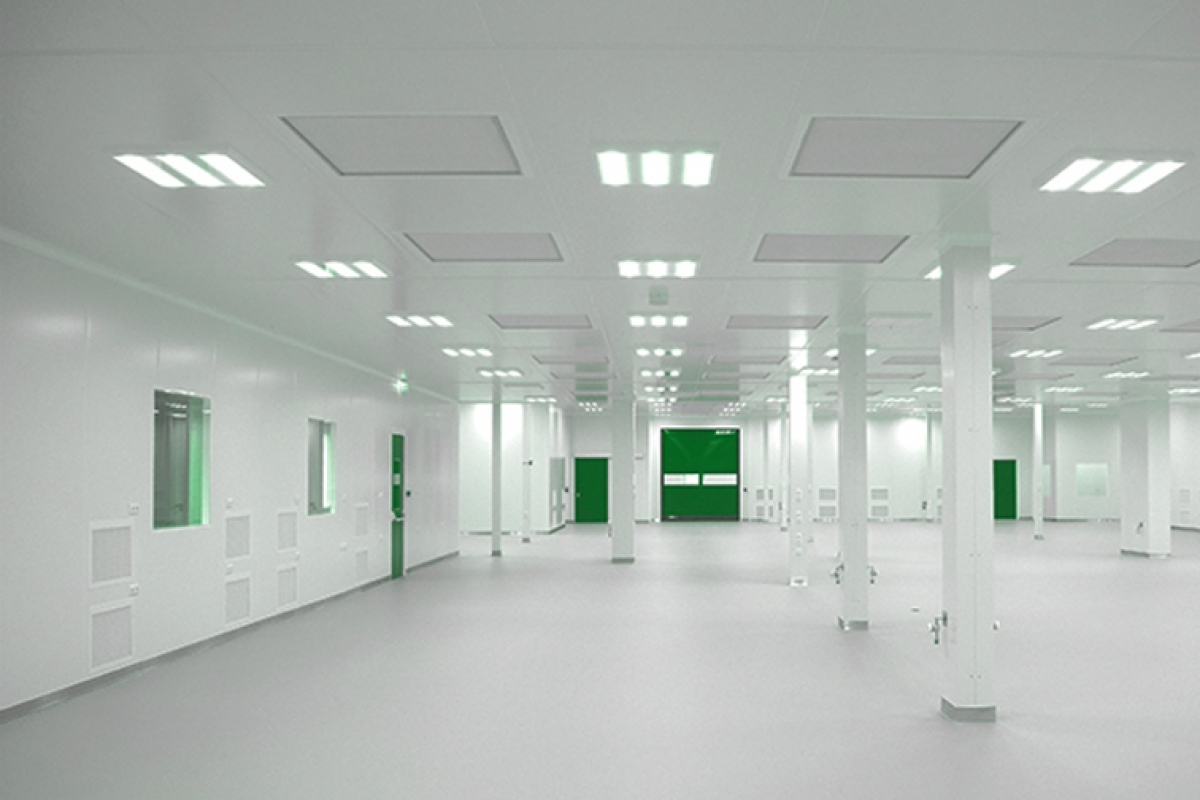
Step into a clean room for medical devices and you enter a world so meticulously controlled that the air you breathe contains fewer particles than a mountaintop sanctuary. These spaces represent modern manufacturing’s answer to an ancient challenge: how do we create objects destined to enter the human body without carrying invisible threats? The stakes could not be higher. A stray particle, a wayward microbe, a moment of contamination can transform a healing device into a vector of infection.
What Makes a Clean Room Different
The air in an ordinary office contains millions of particles per cubic metre. For most purposes, this background noise of particulate matter causes no concern. But medical devices that contact sterile tissue or the bloodstream cannot tolerate such contamination.
A clean room for medical devices operates under entirely different rules:
- Air passes through HEPA filters capturing 99.97 percent of particles larger than 0.3 microns
- Personnel wear non-shedding garments covering hair, skin, and clothing
- Entry requires careful washing and multi-minute gowning procedures
- All surfaces undergo regular cleaning with validated disinfectants
- Air changes occur 20 to 600 times per hour depending on classification
The classifications tell the story in numbers. An ISO Class 8 clean room permits no more than 3,520,000 particles per cubic metre. An ISO Class 5 environment restricts this to just 3,520 particles. The difference resembles comparing a crowded stadium to a nearly empty one.
The Human Cost of Contamination
Behind these numbers lie real consequences. Consider the patient receiving a contaminated implant. The initial surgery succeeds, the incision heals, then weeks later infection takes hold. What follows can include additional surgeries, prolonged antibiotic therapy, permanent damage, or death.
“We think about patients with every process step,” shares a production supervisor at a Singapore clean room for medical devices. “The person gowning in knows their thoroughness protects someone’s mother, someone’s child. That responsibility weighs on you.”
The protocols reflect this gravity. Personnel training extends across weeks, covering not just procedures but the reasoning behind them. Regular monitoring ensures compliance doesn’t drift. Environmental testing catches problems before they reach products.
The Architecture of Cleanliness
Creating and maintaining a clean room for medical devices requires sophisticated engineering. The room sits within a room, isolated from the outside environment. Walls, floors, and ceilings use non-porous materials that resist particle generation and facilitate cleaning.
Air handling systems create positive pressure, ensuring air flows outward at doorways rather than allowing unfiltered air to enter. Temperature and humidity remain within narrow bands because both affect particle behaviour and microbial growth.
Essential infrastructure includes:
- Gowning rooms with staged sequences for proper garment donning
- Pass-through chambers allowing material transfer without compromising cleanliness
- Dedicated air handling units with redundant filtration stages
- Environmental monitoring systems tracking particle counts, temperature, humidity, and pressure
- Material staging areas where components undergo cleaning before entry
- Segregated processing zones preventing cross-contamination
The Human Element in Technical Spaces
For all the engineering sophistication, clean rooms ultimately depend on human behaviour. A technician who forgets to close a door. An operator who touches their face then handles components. Any lapse can compromise the environment.
Training addresses these vulnerabilities through repetition and understanding. Workers learn not just what to do but why it matters. They practise gowning until it becomes automatic.
“The hardest part isn’t the technical procedures,” explains a quality manager. “It’s maintaining discipline day after day. When you’ve gowned perfectly a thousand times, the thousand-and-first time still demands the same care.”
Singapore’s Clean Room Standards
Singapore’s medical manufacturing sector has built reputation on exacting standards. Facilities operating a clean room for medical devices in this jurisdiction face regular audits from both regulatory bodies and customers. The HSA, Singapore’s health authority, enforces requirements aligned with international standards.
This scrutiny creates accountability that protects patients globally. Devices manufactured in Singapore clean rooms enter supply chains serving hospitals from Boston to Berlin to Bangkok. The standards applied in one island nation ripple across the healthcare world.
Validation and Ongoing Verification
Establishing a clean room for medical devices requires extensive validation. Engineers must demonstrate that design specifications translate into actual performance through:
- Initial particle counts and pressure differential measurements
- Air recovery time documentation after disturbance
- Personnel qualification confirming human activity doesn’t compromise cleanliness
- Continuous monitoring with particle counters sampling throughout shifts
- Surface swabs detecting microbial contamination
- Annual recertification confirming sustained filtration performance
Validation isn’t a one-time event. These ongoing efforts cost significantly but remain non-negotiable for facilities serious about quality.
The Investment in Safety
Operating a clean room for medical devices requires substantial ongoing investment. Energy costs for constant air circulation run high. Gowning supplies represent recurring expenses. Personnel training consumes time and resources. Monitoring equipment needs calibration and maintenance.
Yet these costs pale beside the potential consequences of contamination events. Product recalls damage reputations and balance sheets. Patient injuries trigger legal liability and regulatory scrutiny. The calculation favours prevention over remediation.
For medical device manufacturers committed to patient safety, maintaining a properly controlled clean room for medical devices represents not an expense but an ethical obligation to those whose lives depend on the products created within those carefully controlled walls.
