


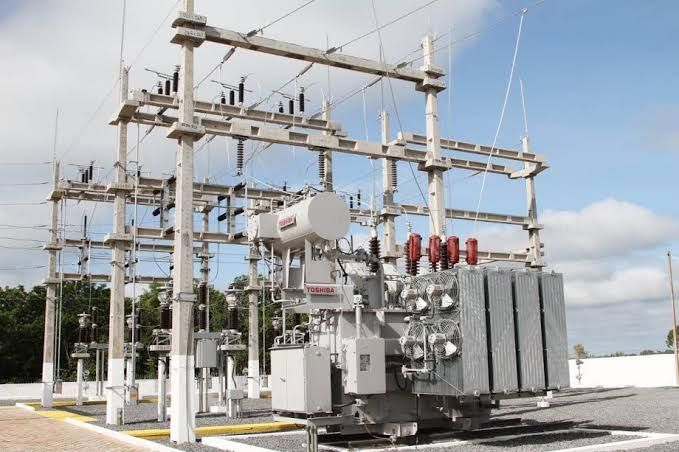
Electricity powers our modern lives, yet its reliability depends heavily on the infrastructure behind it. Among the critical components of the electrical grid, transformers play a pivotal role. These devices manage voltage levels, ensuring safe and efficient power distribution. Without proper attention, transformers can fail unexpectedly, causing outages and costly damage. This makes transformer equipment maintenance essential for keeping the system running smoothly.
Understanding Transformer Equipment Maintenance
Transformer equipment maintenance refers to the routine inspection, servicing, and repair of transformers to ensure optimal operation. This process includes checking oil levels, cleaning components, testing insulation, and monitoring temperature fluctuations. Regular maintenance identifies small issues before they escalate into major failures. By investing time in preventive care, operators can extend the life of transformers and maintain consistent electrical supply. Transformer equipment maintenance directly contributes to system reliability and operational efficiency.
Routine Inspection Practices for Reliability
Routine inspections are the backbone of transformer upkeep. Technicians assess both the internal and external condition of transformers. They examine bushings, connections, and cooling systems, looking for signs of wear or contamination. Infrared scanning and partial discharge tests detect hidden problems that are not visible to the naked eye. These inspections prevent unexpected downtime and ensure transformers operate within safe parameters. Transformer equipment maintenance through routine inspections guarantees reliability across the electrical network.
Testing and Monitoring for Transformer Health
Testing and monitoring provide critical insights into transformer performance. Electrical tests such as insulation resistance and turns ratio measurements reveal early signs of deterioration. Continuous monitoring of load currents, temperatures, and oil quality allows operators to anticipate potential failures. By integrating modern diagnostic tools, maintenance teams can act proactively rather than reactively. The transformer equipment maintenance that includes comprehensive testing reduces the risk of catastrophic outages and supports steady power delivery.
Preventive Measures to Avoid Failures
Preventive maintenance strategies help safeguard transformers against common issues. Cleaning, tightening connections, replacing worn parts, and controlling environmental factors all contribute to transformer longevity. Regular oil analysis prevents insulation breakdown and overheating. These measures minimize the likelihood of failures that can disrupt entire regions. Transformer equipment maintenance is most effective when preventive measures are consistently applied, ensuring uninterrupted service.
Upgrading and Modernizing Transformer Systems
Upgrading older transformer systems can complement routine maintenance efforts. Installing advanced cooling systems, digital sensors, and automated monitoring tools enhances performance and reliability. Modern transformers can provide real-time data, allowing for predictive maintenance and quicker response to anomalies. Investing in these upgrades alongside regular maintenance ensures the electrical grid remains resilient and adaptive. Transformer equipment maintenance combined with modernization secures long-term operational stability.
Cost Efficiency Through Proper Maintenance
Maintaining transformers regularly is not just about reliability—it’s also a smart financial decision. Emergency repairs and unexpected outages are expensive, both in direct costs and in economic losses due to interrupted service. Preventive maintenance reduces the frequency of these costly events and prolongs the equipment’s useful life. Transformer equipment maintenance saves resources while maintaining the integrity of the electrical network.
Conclusion
Transformers are critical to the reliable delivery of electricity, and their performance cannot be left to chance. Through thorough inspections, testing, preventive measures, and modernization, transformer equipment maintenance ensures that these essential devices function safely and efficiently. Regular upkeep not only prevents costly failures but also supports the continuous flow of power that modern life depends on.
