


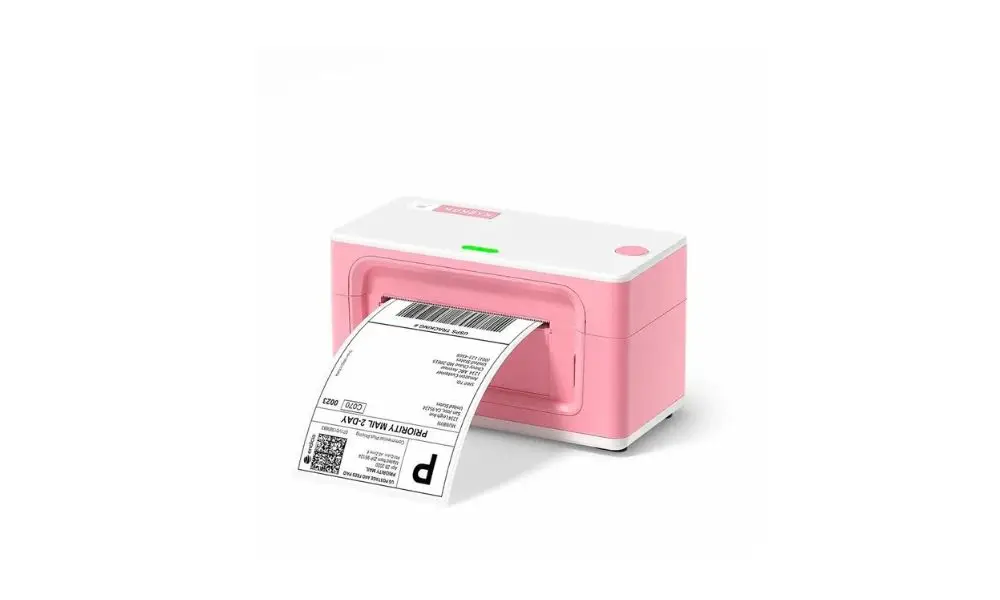
Custom stickers are great for small businesses and artists because they make their brand look better and give their work a unique look. On the other hand, not all stickers can handle all writing methods. There are some specialty sticker sheets that can warp, peel, or lose their clear finish when printers use heat to put pictures on them. That’s why we look at why heat-based printing methods might hurt these special materials and how you can make sure your stickers always look great. check this out for a more in-depth look at mistakes that could happen when printing.
Understanding the Heat Factor
- To stick toner to paper, fuser rollers heat it above 180 °C, which can cause stickers to bend.
- Ink ribbon heaters send out short bursts of heat that can damage sticker finishes that are too delicate.
- When thermal heads press on media, they add extra heat stress by putting pressure on it.
- Hotspots happen when the heat isn’t spread out evenly, which makes the plastic or film layers bubble.
- When things get too hot, glue liners can melt, which makes stickers stick inside the printer.
- Stickers that were printed at high speeds stay on longer when heated, which extends the contact time.
- Some printers have preheating features that raise the base temperature, which puts stress on the media.
- Rapid changes in temperature can make sticker layers shrink or grow in an uneven way.
- Heat sensors might get covered backings wrong, which would cause more temperature spikes.
Finding Sticker Layers That Are Vulnerable
- Heat changes quickly can cause vinyl films with thin layers to twist.
- When there is a lot of thermal transfer, glossy surfaces may blister or peel.
- There are a lot of soft plastics used in matte finishes that can shrink or bubble when they get hot.
- Stickers can lose their shape when the adhesive layers get too soft.
- When heated, clear topcoats that are meant to block UV rays can turn yellow or crack.
- During warm runs, backing sheets could curl up and get in the way of the printer rollers.
- In high-temperature print settings, foil accents can melt or turn black.
- Specialty inkjet sheets with heat-sensitive dyes will lose their color or bleed.
Seeing the Signs of Damage from Heat
- After being printed, stickers have waves or wrinkles along the edges.
- The rollers or output tray of the printer have sticky glue left over from when the glue melted.
- Overheated plastic surfaces have discolored spots or yellowing.
- If printed colors peel or flake, it means that heat has broken the bond.
- Under layers of clear stickers, bumpy patterns or bubbles show up.
- When you try to bend the sticker, the hardened or weak parts break.
- Print density that isn’t even shows where heat got in the way of toner reacting properly.
- If the corners curl too much, it means that the backing materials responded to the heat.
- Also, check this out by setting the cooler temperature in your printer’s menu to a predetermined level.
You can pick the right print settings and materials if you know how heat changes each sticker layer. Test before the full run, and if you need to, use cooler printer settings. If you follow these steps, your custom sticker media will stay clear, smooth, and long-lasting. By taking the right steps, you can make your stickers shine without worrying about damage from heat.
