


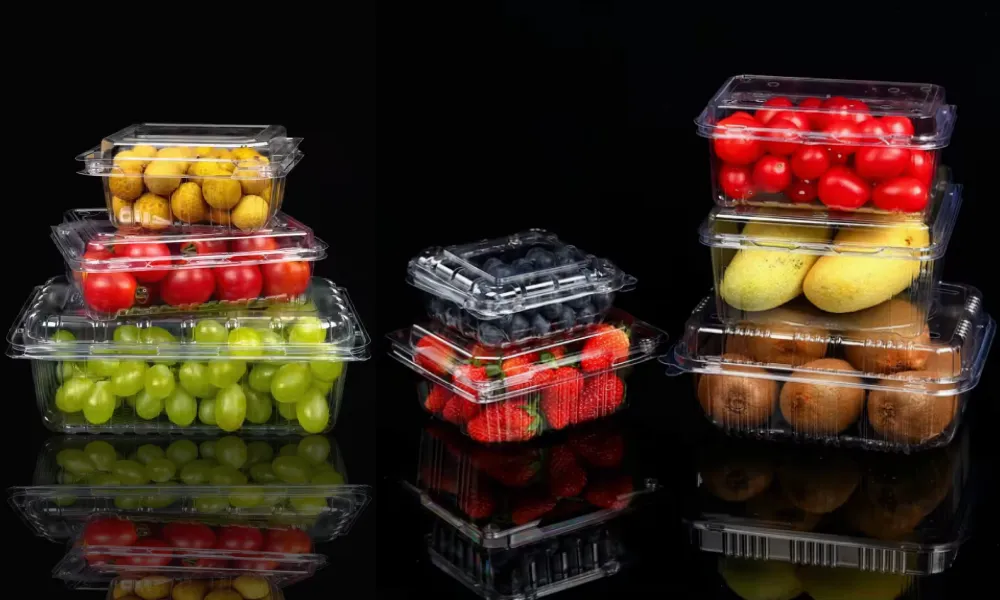
Plastik packaging makanan have become so woven into the daily rhythm of Malaysian life that they are nearly invisible, handed over at hawker stalls and night markets thousands of times each day without a second thought. Yet if you watch closely at any food court in Kuala Lumpur or Penang during the evening rush, you will witness a quiet transaction repeated endlessly: a vendor scoops steaming curry into a thin plastic bag, ties it with practiced efficiency, and passes it to a customer who will carry it home, eat the contents, and discard the container. This simple exchange, multiplied across millions of meals, tells a larger story about convenience and consequence, about who bears the costs of progress, and about the structures that shape our most fundamental choices.
The Arithmetic of Daily Survival
Meet Rashid, a nasi lemak vendor who arrives at his spot near the Chow Kit morning market before sunrise. He will serve perhaps 200 customers before noon, each meal packaged in plastic that costs him eight sen per container. Multiply that across a month, and packaging alone consumes over RM480 of his modest earnings. When asked whether he has considered biodegradable alternatives, Rashid does not hesitate: they cost three times as much. “The customers want cheap food,” he explains whilst spooning coconut rice into yet another plastic container. “If I raise my price even fifty sen, they go to the stall next door.”
This is not simply about individual choice. Malaysia’s regulatory framework, governed by the Food Act 1983 and Food Regulations 1985, sets safety standards for packaging materials. Regulation 27A explicitly states that “feeding bottles must not contain Bisphenol A (BPA),” acknowledging the chemical’s potential harm. Yet this protection extends only to infant bottles whilst countless other food containers, particularly those used by street vendors, contain compounds that leach into food when heated. Research confirms that Malaysia’s hot and humid climate intensifies this migration, particularly when vendors serve steaming nasi lemak, curry, or teh tarik in thin plastic bags that release chemical residues upon contact with heat.
The government introduced a plastic bag levy of 20 sen in 2011, strengthened through the No Plastic Bag Day Campaign. But here is where policy reveals its blind spots: small food businesses, including night markets and public markets, were exempted from the levy. The very places where working-class Malaysians purchase most of their meals, where plastic usage is highest and alternatives least available, received exemption from the policy meant to reduce plastic consumption.
The Burden Falls Unevenly
Studies document that each Malaysian generates nearly 17 kilogrammes of plastic waste annually, ranking the nation amongst Southeast Asia’s heaviest users. Yet this average conceals profound disparities. Wealthy Malaysians can afford reusable containers, can choose restaurants that use biodegradable packaging, can purchase organic produce wrapped in minimal plastic. They have options. Rashid and his customers, operating within tight economic margins, have far fewer choices. The Plastik packaging makanan that fills night markets and hawker centres represents not preference but constraint, not ignorance but necessity within systems that offer limited alternatives.
Consider these realities facing street food vendors:
- Rising packaging costs for biodegradable alternatives that many small businesses cannot absorb
- Uncertainty about compostable material certifications and where to source approved products
- Customers’ price sensitivity in competitive markets where margins are razor-thin
- Exemption from plastic levies that inadvertently removes incentive to seek alternatives
Research examining street food hawkers’ knowledge revealed that 71.8% demonstrated good understanding of plastic safety issues, scoring above 70% on knowledge assessments. These vendors are not ignorant of the risks. They understand that hot food in plastic releases chemicals, that improper waste disposal creates environmental dangers. Yet understanding does not translate into action when economic realities constrain choice.

The Environmental Debt Accumulates
Malaysia’s National Strategic Plan for Solid Waste Management set ambitious targets: divert 40% of rubbish from landfills, increase recycling rates to 22% by 2020. The actual figures tell a different story. Nearly 90% of solid waste continues reaching sanitary landfills, whilst only 10.5% gets recycled. The gap between aspiration and achievement reflects not individual failing but systemic inadequacy, infrastructure that cannot support the behaviour change that policy demands.
The consequences accumulate invisibly. Microplastics, fragments less than five millimetres released as packaging degrades, now permeate Malaysian seafood, drinking water, table salt, even human tissues. For a nation where seafood anchors cuisine and culture, this contamination pathway proves particularly troubling. Fish and shellfish inhabiting polluted waters ingest microplastics that ascend the food chain to dinner tables. The particles do not biodegrade; they accumulate, creating reservoirs of contamination persisting for decades.
Towards Systems That Support Change
Malaysia’s Roadmap to Zero Single-Use Plastics 2018-2030 acknowledges the crisis, establishing targets for elimination through bans, levies, and improved waste management. Individual states have implemented restrictions. Yet meaningful change requires more than policy declarations. It demands investment in alternatives that vendors like Rashid can afford, infrastructure that makes recycling feasible, enforcement that does not punish those with fewest options whilst exempting those with most.
When we examine plastik packaging makanan in Malaysia, we confront questions larger than material choice. We confront questions about who bears the costs of convenience, whose health gets protected by regulation and whose gets excluded, which communities receive support for sustainable practices and which get left to navigate impossible trade-offs between livelihood and environmental responsibility. The plastic containers that pass from vendor to customer in markets across Malaysia represent not merely packaging but the visible manifestation of deeper inequities, the material evidence of systems that make sustainable choices available to some whilst rendering them effectively impossible for others. Until we address these underlying structures, the plastic will keep accumulating, and the burden will keep falling on those least able to bear it, wrapped in the same thin bags that contain each day’s Plastik packaging makanan.
